

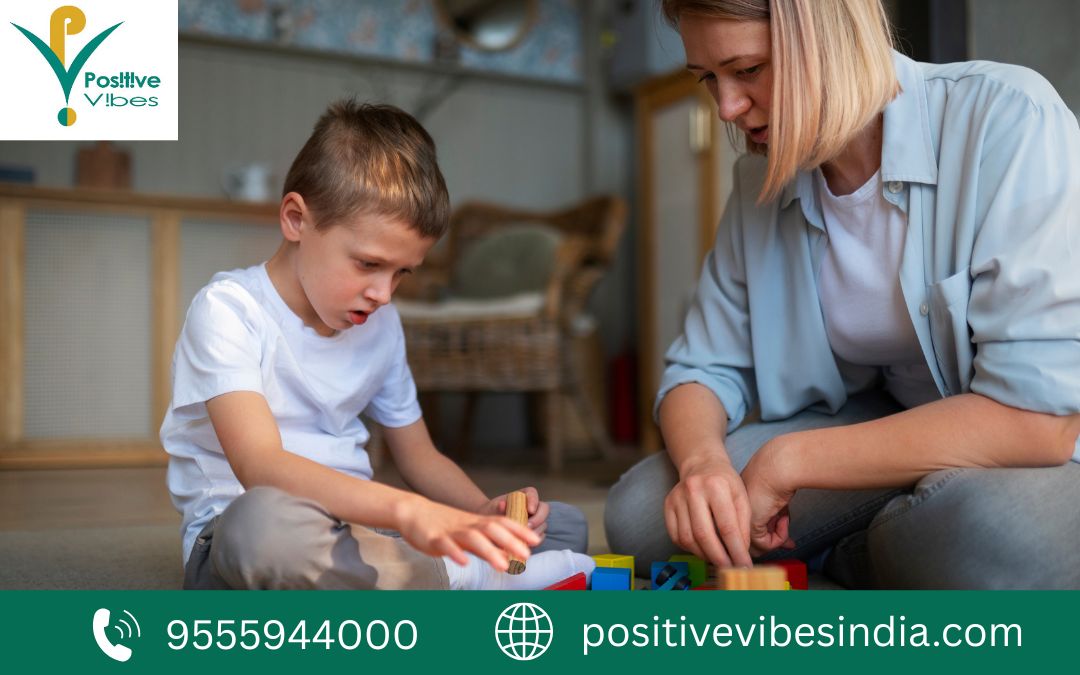
The world seems a little different for the children with autism. Most of the time, they struggle to understand facial expressions, tone of voice, or even simple conversations. But with patience, communication, and proper guidance, every child can have a better world in their own way. Early and structured autism treatment for children plays a major role in helping them develop confidence in social situations.
Social skills are not an overnight process; they grow slowly through practice, encouragement, and daily interaction. The most astonishing news is that autistic children improve communication, make friends, and enjoy social activities when parents and therapists use the right techniques.
Understanding Autism and Social Challenges
A child’s communications, behaviour, and interaction with others are affected by autism spectrum disorder (ASD). Some may avoid eye contact, while others may find it difficult to start conversations or express emotions properly. These challenges are often linked to delayed ASD communication skills.
Targeted therapies and social training become vital as many children want to connect with others but fail to do so naturally. Strong social learning can improve school performance, emotional growth, and family relationships.
Why Social Skills Matter in Autism
Good social skills help children:
- Develop friendships
- communicate sentiments clearly;
- comprehend emotions
- take part in school activities
- Boost self-assurance and independence
Enhancing social connection for autistic children also lessens frustration and makes them feel more at ease in various settings.
Effective Ways to Improve Social Skills in Children with Autism
1. Encourage Eye Contact Naturally
Direct eye contact can be challenging for autistic children. Parents and therapists should consider how to gently encourage it through play, storytelling, or conversations without pushing. Rewards for incremental progress can build their confidence and ease.
2. Use Role-Playing Activities
The technique of role-play helps children to learn how to behave in social situations. Simple tasks like saying hello, sharing toys, or asking questions can help children divert their minds.
This activity affects autistic children so positively that it helps them to improve autism friendship skills as they learn real-life interaction patterns in a safe environment.
3. Teach Through Visual Supports
Visual learning can be more effective for children with autism. Flashcards, emotion charts, social stories, and picture schedules can help them with a better understanding.
Visual learning also emphasises ASD communication skills by making conversations easier to understand.
4. Practice Turn-Taking Games
To teach patience and cooperation, it’s important to involve them in games through writing, sharing, and taking turns. Listening and social responsive skills can be improved by board games, group activities, and team play.
Helping children recognize feelings improves empathy and strengthens their ability to communicate socially.
5. Join Group Therapy Sessions
Opportunities for peer interaction in a supervised setting are offered by group therapy. Through supervised social activities, kids learn how to solve problems, collaborate with others, and have conversations.
Group sessions are a common part of professional autism treatment for kids because they promote social learning in real time.
6. Reward Positive Social Behaviour
To repeat good behaviour, children must be motivated by positive reinforcement. Giving a youngster praise for saying hello, sharing, or speaking courteously boosts their self-esteem and promotes future engagement.
Simple incentives like stickers, favourite pastimes, or words of gratitude can have a significant impact.
Role of Parents in Social Skill Development
Most of the time, teachers play a very important role in every child’s life. Taking that into account, parents become the first teachers of their life. Daily life activities like having meals, playtime, and conversations create learning opportunities. Over time, small actions, such as encouraging greetings, teaching polite words, and practising conversation at home, can be proven useful
Consistency is very crucial. For a better response, children and parents should prepare strategies together.
Therapies That Help Improve Social Skills
Several therapies are useful for enhancing social and communication abilities in children with autism, including:
- Speech Therapy
- Occupational Therapy
- Behavioral Therapy
- Social Skills Training
- Play Therapy
These therapies are commonly included in professional autism treatment programmes for children to support overall development.
Therapies That Help Improve Social Skills
- Greater eye contact
- Answering to names
- Heightened interest in playing with others
- Better understanding abilities
- Making friends more effortlessly
Final Thoughts
Autism is not a disease; rather, we can consider those children ‘specially abled’. The therapist and parents just need to find that talent in them. Early support, structured learning and the right therapies can help them to improve their social skills, which requires love, understanding and regular practice. Through this, they can be more confident communicators and can build meaningful relationships.
Professional autism treatment for children focuses not only on behaviour but also on emotional and social growth. Stronger ASD communication skills, better autism social interaction, and improved autism friendship skills can help children live happier and more independent lives.